
Your senses are the bridge between the outer world and your inner world
Every moment, what you see, hear, smell, taste, and touch becomes part of how you experience yourself and the world around you.
Much of this happens automatically. Yet when we begin to notice our sensory experience more consciously, we can better understand what influences our attention, emotions, and wellbeing.
The Art of Senses explores this connection between our outer environment and inner experience.
How Sensation Becomes Experience
Every moment, your sensory systems are receiving information from the world around you.
Light, sound, scent, taste, pressure, temperature, and movement are detected by specialized sensory receptors.
These receptors transform physical or chemical information into signals that can travel through the nervous system.
The brain then processes and interprets these signals, contributing to what we consciously perceive and experience.
In simple terms:
Stimulus → Sensory receptors → Nervous system → Brain processing → Perception
Perception and Attention
The brain filters and interprets sensory information, helping shape what we notice and how we focus.
Light, sound, smell, movement, and physical sensations can all influence where our attention goes.
Emotional and Nervous System Responses
Sensory environments can influence how the body and nervous system respond. Sound, light, touch, scent, temperature, and movement may contribute to feelings of comfort, alertness, tension, or calm.
Memory and Behavior
Sensory experiences are closely connected with memory and learned associations. A familiar smell, sound, taste, or environment can bring memories to mind and influence emotions, habits, and everyday choices.
Why Sensory Awareness Matters
Our sensory systems are constantly gathering information, but we are not consciously aware of everything they detect.
Attention helps determine which parts of our experience come into focus.
By becoming more aware of what we see, hear, smell, taste, and feel, and noticing how we respond, we can begin to recognize patterns in the environments, experiences, and habits that support or challenge our wellbeing.
Sensory awareness invites us to become more attentive participants in our own experience.
Explore the Five Senses
Each sensory system gathers a different kind of information.
Together, they help shape our ongoing experience of ourselves and the world around us.
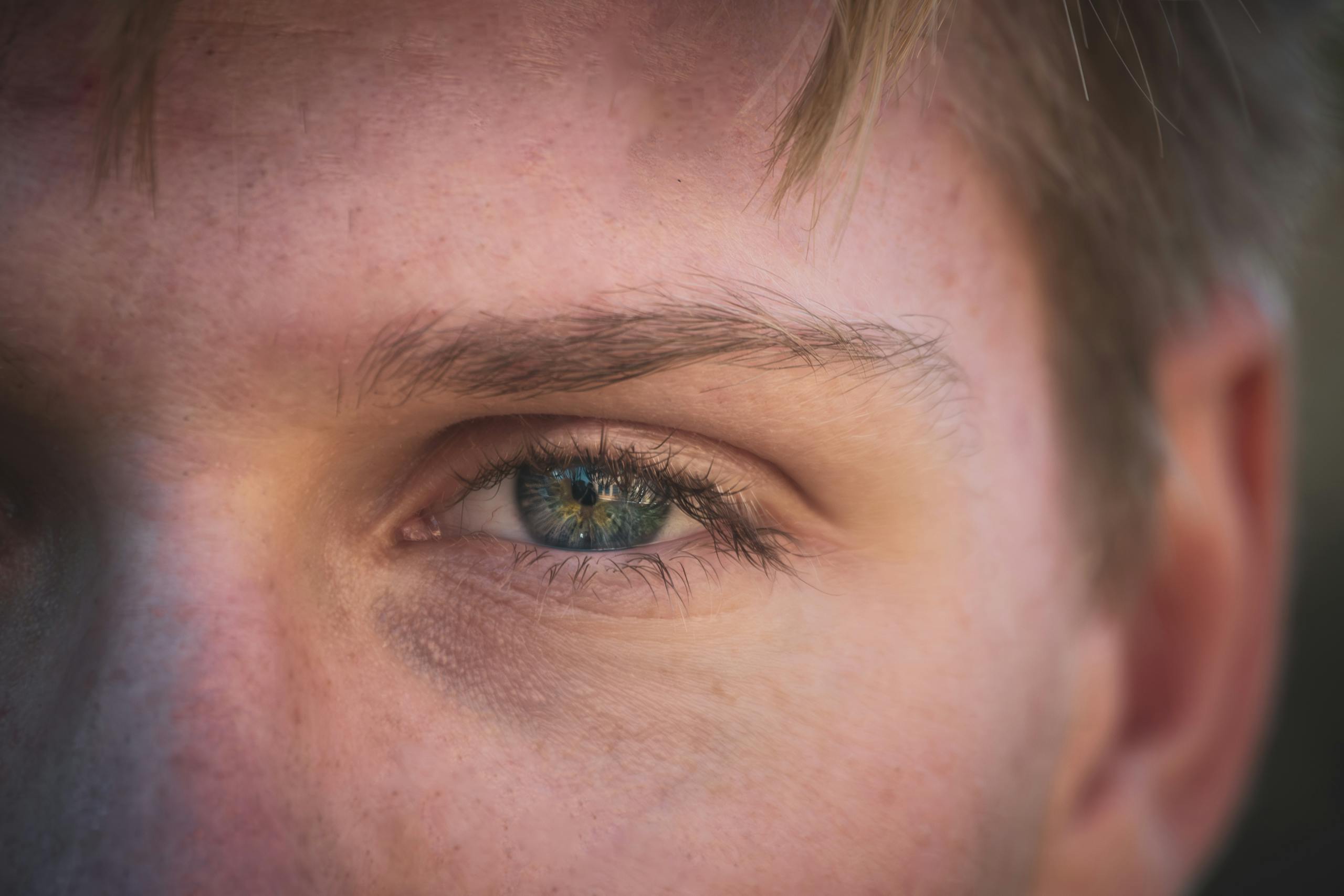
Sight
Light is detected by receptors in the retina and translated into visual information.
Light, color, movement, contrast, and visual complexity all contribute to how we orient ourselves and experience a space.

Taste
Taste receptors respond to chemical compounds in food and drink.
Taste works together with smell, texture, and temperature to create the broader experience we recognize as flavor

Sound
Sound waves are converted into neural signals within the inner ear. Volume, rhythm, tone, voices, music, silence, and environmental noise can influence attention and how we experience our surroundings.
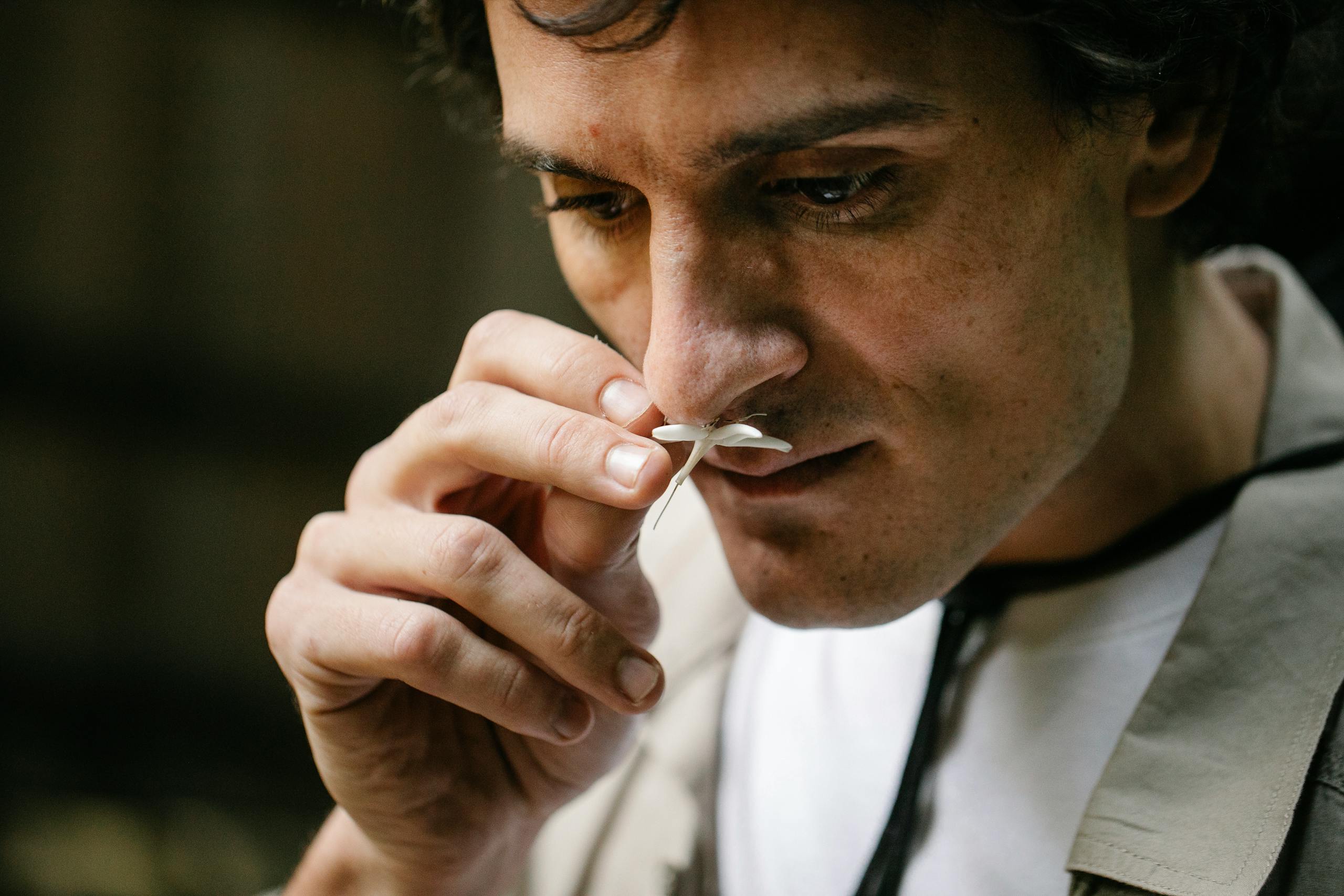
Smell
Odor molecules activate receptors in the nose and send information through the olfactory system.
Smell is closely linked with brain systems involved in memory and emotion, which is why certain scents can bring experiences quickly to mind.

Touch
Receptors in the skin and body detect pressure, vibration, temperature, texture, and movement. These sensations help us navigate our environment and contribute to experiences of comfort, alertness, tension, and connection.
Explore How the Brain Processes Sensory Information
Behind every sensory experience is a complex process involving receptors, neural pathways, and the brain.
Although each sensory system works somewhat differently, sensory processing can be understood through three broad steps:
Transduction
Specialized sensory receptors convert physical or chemical stimuli, such as light, sound waves, pressure, or odour molecules, into neural signals
Encoding and Processing
Patterns within these signals carry information about qualities such as intensity, timing, location, and type of stimulus. Neural pathways carry this information toward different areas of the brain for further processing.

Perception
The brain integrates and interprets sensory information, contributing to the conscious experience of what we see, hear, smell, taste, and feel.
Sensory Integration
Our sensory systems do not operate completely in isolation. The brain combines information from different senses with attention, memory, context, and previous experience to help us make sense of our surroundings.
Developing sensory awareness is an ongoing process
The Art of Senses explores these connections through educational resources, reflective practices, guided experiences, workshops, and individual support.


Sensory awareness is an inner capacity to rediscover
ourselves and our environment.
As we learn to notice these subtle signals, we gradually cultivate a more attentive relationship with ourselves and the world around us

Explore the Senses More Deeply
Through reflection, practices, and education, we can learn to better understand how our environments shape our internal state.
Practicing Awareness
Sensory awareness begins with noticing
Instead of immediately deciding that a sound, scent, colour, texture, or environment is good or bad, we can become curious about how we experience it.
Try pausing during ordinary moments and asking:
- What am I noticing through my senses right now?
- Where does my attention naturally go?
- What changes in my body, mood, or energy?
- Does this experience feel comfortable, stimulating, distracting, grounding, familiar, or something else?
- What happens when the sensory environment changes?
Simple experiments might include noticing how you respond to:
- natural and artificial light
- silence, music, conversation, or environmental noise
- different scents and familiar aromas
- flavors, temperatures, and textures while eating
- warmth, coolness, pressure, movement, or different surfaces