Curiosity: An Anti-Aging Factor
“Stress”, “no time” and “rushed” are words used in almost everyday conversation, each carrying a direct impact on our mental health and even could led us to age prematurely.
What if, in our day to day, we could harness the power of a tool that sometimes lies ignored within us, one that is a powerful brain enhancer and that bring us joy.

Curiosity is a common trait in all of us, yet it can bring mixed feelings if questioned. However, curiosity is an innate drive to learn, explore, and understand, and has been part of our evolution as species since it helped our early human ancestors survive. As clearly explained before: “Curiosity is the drive to make sense of an environment, make inquiries, and uncover answers has been crucial to human survival.”
The undeniable truth is that curiousity has been shown to positively impact both our mental and physical well-being. It has been seen by scholars as a basic element of our cognitions and it is in fact a biological function yet to be fully understood.
So I got curious😊 How curiosity can be a natural anti-aging factor and how it contributes to a fulfilling, youthful life?
The Science Behind Curiosity
Curiosity does more than keep us mentally engaged; studies suggest it may actually contribute to a longer, healthier life. According to a 2020 study in Psychological Science, researchers found that “individuals who regularly engage in curiosity-driven behaviors tend to experience higher psychological well-being and reduced age-related mental decline”.
The reason may be because since we are babies, curiosity is a key tool for our healthy development, it leads to better and constant learning, and acts as a driver for brain activity. By continuously stimulating our brains, curiosity may act as a protective factor against cognitive decline.
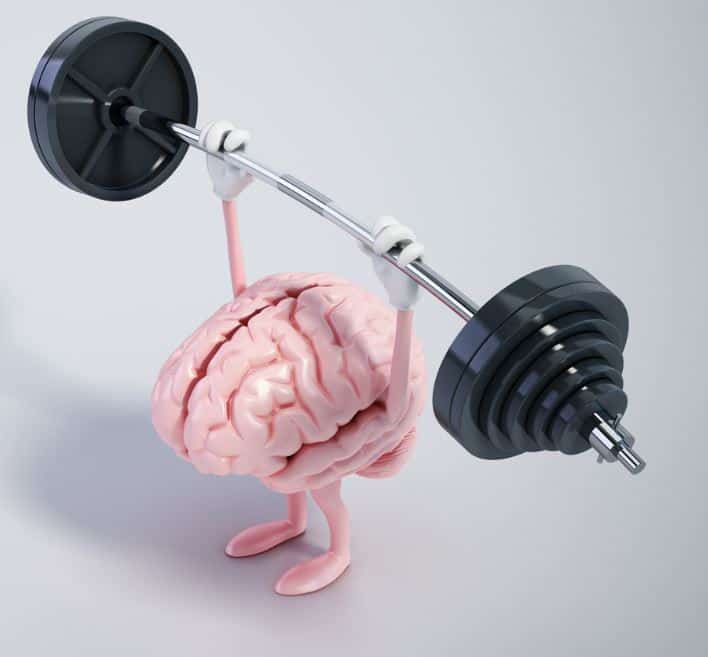
Another study highlights that older adults with a stronger sense of curiosity reported better cognitive functioning and a reduced risk of dementia. Dr. Laura Carstensen, a psychologist at Stanford University, notes, “Curiosity is like exercise for the mind. Just as physical activity strengthens the body, curiosity strengthens the brain and maintains its vitality over time.”
Curiosity and our wellbeing
The effects of curiosity have been proven to be beneficial not only to our mental health but to our bodies. When we get curious, and we satisfy that demand, our brains reward us for the new experience or learning by flooding our bodies with dopamine, the “feel-good” neurotransmitter associated with pleasure and reward.
Dopamine not only makes us feel good but also has been linked to improved cardiovascular health and reduced stress levels, and with lower stress levels, our hormones stay more easily balanced, and in turn, means less strain on our bodies and slower aging overall.
Interestingly, curiosity can also increase our patience, our ability to better coping with new challenges, our chances to try new things, meet new people and increase our self-esteem, all which at some level, decreases some of the factors in depression.
Moreover, curiosity often leads to an active lifestyle. When we stay curious about new activities and our surroundings, we are unconsciously engaging in new experiences, whether through travel, hobbies, or social engagement. One way or another, we will be participating in activities that promote physical movement, and wellbeing.
Although normal aging is associated with reduced curiosity, curiosity may play an important role in maintaining cognitive functioning, and mental and physical health. Therefore we must engage in curious practices.
Staying curious doesn’t have to be complicated. Here are a few simple ways to cultivate curiosity in everyday life.

- Ask Questions (even to yourself): Make it a habit to ask at least one open-ended question daily. It could be about something you encounter, read, or see.
- Explore New Hobbies: Learn something new, whether it’s a language, musical instrument, or craft, keep your brain active and engaged.
- Read Widely: Read a new book or join a book club. Dare to read one book outside your usual interests, can open new perspectives and insights.
- Engage with Diverse People: Engage in meaningful and genuine conversations with people from different backgrounds and interests, it can spark your curiosity and help you see the world from new angles.
- Look at your tasks from a different perspective: Dare to challenge your way of doing things, look beyond your routines and or your settled expertise.
Curiosity is more than a mindset; it’s a powerful tool for a vibrant, youthful life. By nurturing our natural curiosity, we stay mentally sharp, physically active, and emotionally fulfilled.

As you go about your day, take time to question, explore, and wonder. Stay curious and watch how it transforms your life.
Next time, we’ll dive into how curiosity, when paired with creativity, can enhance not only our minds but our health in remarkable ways. Until then, keep your mind open, your heart eager, and your curiosity alive.
Until a next one, with love,
May…